Friday, July 16, 2010

Sex That Salmon!

Here’s a little game I thought everyone might appreciate, sex the salmon! Part of our job when working up fish includes determining whether they are male or female, which, especially as spawning time draws closer, becomes easier and easier to do: males have HUGE Gonzo-like schnozes. These are used as weapons to fight over female nests for fertilizing rights. See if you can figure out which is which!


(Answer: Female on left, male on right)


Free-time Explorations

The first few weeks before the salmon run started picking up we had a lot of free time around camp, so here’s a few pictures and descriptions to show you some of the ways we’ve been finding to fill our time:

While the weir effectively does the job of stopping the salmon from migrating upstream, it also blocks the passage of fish, such as steelhead, that are trying to leave the lake and head out into the ocean. Releasing the steelhead on the other side of the weir is a task that the boys have been taking very seriously, e.g. by fishing for them every few nights, what a chore! Sometimes Laura and I will join them and they patiently (most of the time) try to teach us casting and reeling techniques that more often then not end up with lures stuck in trees, on rocks and even rod tips flying off into the water. I think it might be time for me to get my own rod… Steelhead are pretty smart/sensitive fish that only fall for the lure a few times, so you usually get only a few casts before they catch on.


In Redoubt Bay (on the ocean side of the outlet) we like to explore the tide pools at low tide and watch the salmon struggle against the falls. When the tide goes down you can see an abundance of sea life, such as crabs, starfish, jellyfish and lots of mussels. Another cool thing to watch is the subsistence fishermen who fish the falls with dip nets from the shore; they’re allowed 10 sockeye a day using this method. (Lots of pictures, I know.)


If you haven’t realized yet, the boys REALLY enjoy fishing, so on slow days that’s usually the first thing suggested to fill our time. One day we were able to boat out to Symonds Bay (on the North side of Biorka island) to go halibut fishing. Evidently, this is not my forte and all I managed to catch was little rockfish, but Joe caught a 55-pound halibut that took him about 10 minutes to fight up into the boat. He was very pleased with himself and we were happy because we had wonderful fish tacos that night, fresh off the fish.


We had an exciting addition to our usual routine the other day when we noticed an injured eagle on one of the logs near the weir that seemed unable to fly away even when we approached. Ben and Joe, being the wildlife-loving men they are, decided that we needed to rescue it. So they ran back to the cabin, got a net, and captured it, evidently with very little resistance. Upon closer inspection, the eagle had a ripped beak, wounds to its torso and an injured wing. We think he probably got in a fight with another eagle over a salmon carcass; we have seen eagles knock each other out of the sky before. We spent a good chunk of the night building a cage for it and hand-feeding it herring. It was really amazing to be that close to such a big, wild bird. The next day Joe drove it back to Sitka in the boat and conveniently got stuck there for three days due to weather conditions. To the best of our knowledge it is recovering well.


And of course, there are always things to do around camp to make our living situation more “lush”. Firewood needs to be cut on almost a daily basis (a skill I have yet to master) to feed our little wood stove that heats the cabin; luckily, this is a job that Ben seems to enjoy immensely. Other DIYs around camp have included a new oven handle, handmade by Ben and myself out of driftwood, and a new linoleum counter top for our food prep, compliments of Joe.

Tuesday, July 6, 2010

Redoubt and the Weir

For those of you who are still having trouble picturing exactly what a weir is, I thought I’d give a little more in-depth explanation, plus some pictures to get you up close and personal to it. Our three weirs are set up at the Redoubt Lake Outlet where Redoubt Lake empties into the ocean. The weirs block the migration of the salmon (Sockeye are our species of main concern) from the ocean back into the lake where they spawn towards the end of the summer. I tried to find a map of the lake to better show the location of everything, but Google doesn’t seem to have one…


The first step to setting the weir up was hauling tripods (150 lbs. each) down from an adjacent bank where they had been stored for the winter into the water to set up at the tops of our two falls that lead out to the ocean. Then channels connect the tripods and pickets are slid through the holes in the channels to form a fence.


Everyday we have a quota of how many fish we have to “work up” (weigh, measure and collect scale samples from). This is done by corralling them through a funnel into a trap set up on one side of the weir. We net them out of the trap, knock them out in a cooler filled with water spiked with clove oil and Everclear, do our stuff and then send them to the recovery tank before setting them free.


We also recently had our first wild bear sighting of the summer. An eight-year-old female named “Sly” who’s been coming around the weir for the past 5+ years. Luckily, she seems to want nothing to do with us and leaves as soon as we drive up in the boat. We have had the chance to see her catching fish up close and personal and find bear signs, including lots of half eaten carcasses all over the place.


Another part of our job is fertilizing the lake. Redoubt is one of the largest meromictic lakes in North America, with a distinctive bottom layer of salt water that doesn’t turn over so a lot of nutrients get lost to the bottom. Since the 80’s the Forest Service has been fertilizing the lake because of a decrease in salmon productivity. This wonderful job entails hauling 1000 lbs. of fertilizer down to the water every 4 days and tying bags up at different drop points at the North end of the lake. While not entirely enjoyable, at least it makes you feel like you’ve worked for your food that day.


Monday, July 5, 2010

The Fourth


As some of you may have heard, I had the distinct honor of being Sammy the Salmon in this year’s 4th of July parade. This consisted of a wonderful neon green neoprene body suit that I not only couldn’t see out of or breathe in, but could only waddle in. Therefore, since I wasn’t able to keep up with the rest of my Forest Service buddies, Tripp pushed me around in my very own salmon chariot (e.g. a power carrier used to carry heavy loads of wood, tools, etc.). I also wasn’t allowed to talk because that would ruin the “Sammy persona” and the little kids would realize I wasn’t a real fish. Smart kids.

Unfortunately, since salmon don’t have hands, only fins, my pictures from this day are very limited, but hopefully in the future I’ll be able to get my hands on some photos that other people took. The trail and cabin guys looked dapper in their yellow and green uniforms carrying chain saws and axes and Smokey traumatized a little boy who's mother forced him into his arms for a picture.

This year because of the low cloud cover and rain the fireworks were canceled on both the 3rd and 4th of July and postponed until the 9th (when I will be back out at Redoubt), although who knows, maybe they’ll be postponed yet another week. We did get together with some people the 3rd for a barbecue over at Joe’s house and then hit the bars afterward which was a nice welcome back to Sitka after eleven days out in the field.

Saturday, June 19, 2010

PHOTOS!


sunset at the beach across from our house


Kurt and Tripp, two of my bunk mates on trail crew, making us a bonfire at the beach across the street from our house


Jasmine, an AmeriCorps volunteer that came out to Redoubt with us to set up the weir


Joe, my boss, and Craig in the background


view of the lake from our island out at camp


Ben in the drysuit, ready to get down and dirty at the weir


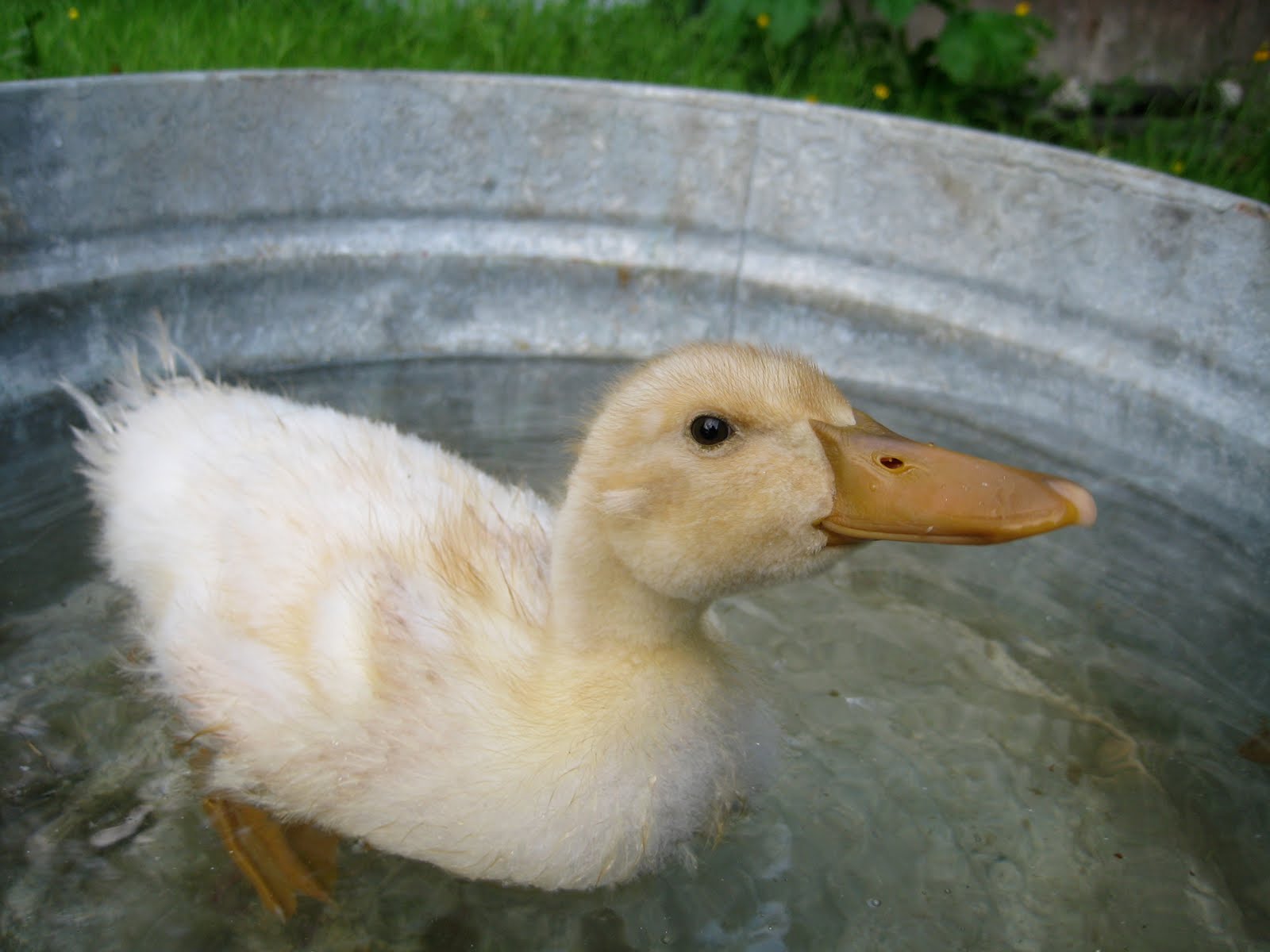
Duck, our pet duck


Three Entrance bay, where we went camping


Koda, the dog that joined our camping trip


islands off the coast just outside the harbor


one of the almost daily cruise ships that grace us with their presence...


Ben (TX) and Laura (OR), my two fellow SCAers


boats in the harbor


more boats in the harbor


brother brown bears in captivity at Fortress of the Bear


baby black bear captured after his mama was shot; sad, but i got to pet him

one month update

Due to popular demand, I have finally decided to attempt my first blog in order to keep all those back home up to date with my goings on. While not an eloquent writer, I shall try to make this as interesting as possible; however, many incomplete sentences and even bullet points may be used depending upon the day's motivational level.


I have now been in Sitka, AK for almost a month, and thus have had ample time to start exploring the town, complete training and even spend a week out in the field setting up our ever-important weir (more on that later). Training, while monotonous as times, was very informative and we learned a lot of useful information about surviving in the Alaskan wilderness. My list of certifications now includes boating, defensive driving, First Aid and CPR, seashore survival, bear safety, and rifle qualifications with none other than a .375. (For those of you who don’t know what this means, it’s one of the largest caliber rifles you can get and is used for shooting elephants in Africa. Meaning, 1) it’s heavy, 2) it’s loud, and 3) it hurts like a mother when you shoot it. After practice and qualifications, e.g. hitting 2 our of 3 targets at different distances in less than 10 seconds, my shoulder and arm were black and blue for a week and a half!) One of my favorite sessions was PIG (personal immersion gadget) training in which we were dumped multiple times backwards and forwards upside-down, blindfolded in a cage into a pool and had to successfully find the exit and escape. This was supposed to simulate plane crashes into the water and was supposed to teach us the proper way to crash and remain calm in order to not die, great.


It’s been fun exploring Sitka, as well. With a population of only 8,000-9,000 it’s an easy size to investigate on foot or on bike (generously provided by the Forest Service), with its share of cafes and touristy shops, it’s main industry apart from fishing. It also makes meeting people pretty easy as you’re always seeing the same faces around town. Since I don’t have Internet at the bunkhouse where I live I’ve been spending a lot of time at the coffee shops in town in order to check my email and, what a coincidence, write this blog. Some things I’ve done around town include attending the Sitka Music Festival (a yearly classical music festival), going fishing with my boss’s boss (I caught a Coho), being invited camping on an island 30 minutes away by some locals, joining the weekly French club which meets every Tuesday night, and hosting/attending frequent potlucks. Since we’re surrounded by mountains on one side and ocean on the other, there’s also tons of outdoor activities, such as hiking and kayaking to take advantage of. As one of my bunkmate’s informed me, I am now a local celebrity, as I was on the local news due to my volunteering at the Children’s Fishing Derby last weekend.


Ok, one last thing to mention, Redoubt. This past week was spent out at Redoubt Lake, an hour outside of Sitka, where I will be spending most of my summer. First the cabin: one room, no electricity, no running water = no toilet, no shower. However, we do have a sweet outhouse with no door overlooking the lake. All in all and we had a really good time out there setting up camp and building the weir. Let me clarify, a weir is a big cage that extends underwater from one side a river to the other, blocking the fish’s entrance from the ocean into the lake, where they have returned to spawn (I’ll post pictures when I take them). Now that the weir is set up, we need someone out there everyday counting the fish as they let them through. The numbers we collect go primarily towards determining subsistence and commercial fishing quotas for Alaskan residents. We also take weight and length measurements, cut adipose fins for tagging purposes and take scale samples, which determine fish age and time spent in fresh vs. salt water. Hmmmm… well, I think that about covers it for now. I’ll hopefully be able to update this every 2 weeks or so, so try not to be too impatient.


Also, here’s my address if anyone cares to send me mail, always appreciated!


Katherine Groble

USDA – Forest Service

204 Siginaka Way

Sitka, AK 99835